The Role of On-Site Dining Options in Sustaining Focus During Prairie Poker Marathons
Henrik Klein · Oct 21, 2026
The Role of On-Site Dining Options in Sustaining Focus During Prairie Poker Marathons
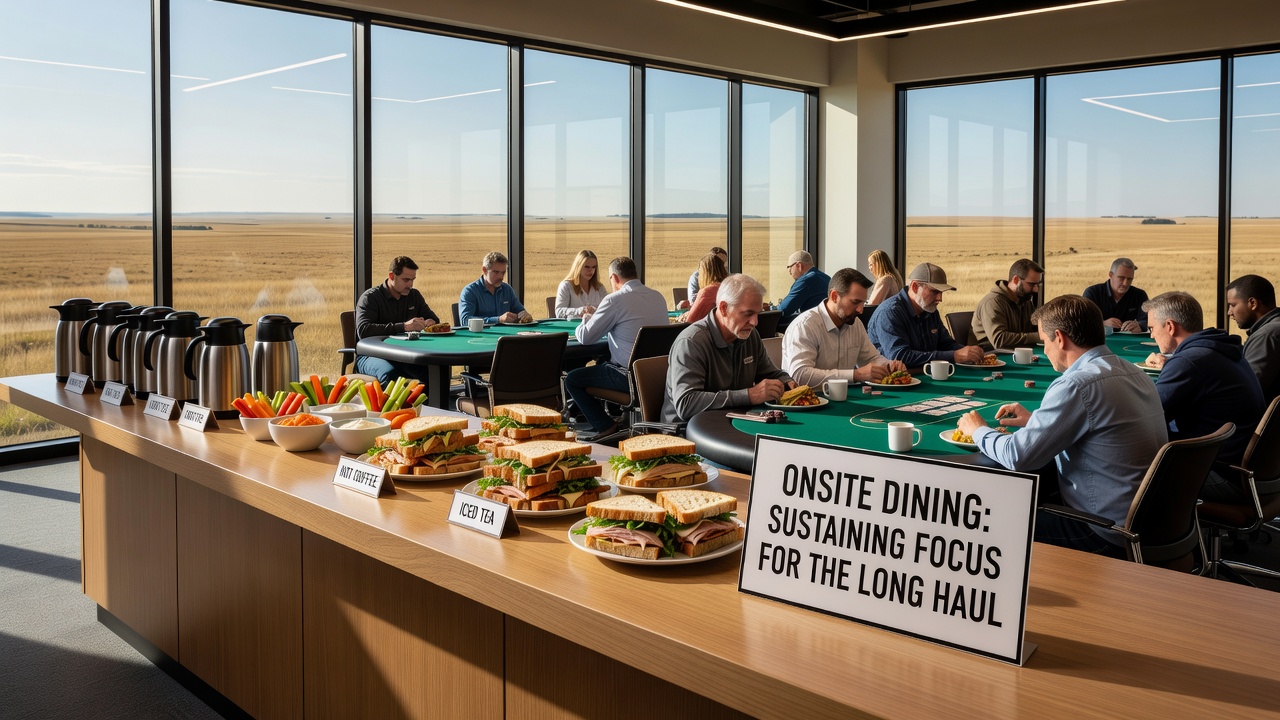
Prairie poker marathons stretch across multiple days with sessions that often exceed twelve hours, and venues across Alberta and Saskatchewan have developed on-site dining setups to match those demands. These facilities range from full-service buffets to grab-and-go counters positioned near the tournament floor, allowing participants to refuel without extended absences from their seats. Data from regional gaming reports indicate that tournaments scheduled in October 2026 will follow the same extended format seen in previous years, with start times that run late into the evening and require steady energy management throughout.
Nutritional Demands of Extended Play
Researchers at institutions such as the University of Alberta have documented how blood glucose levels influence decision-making accuracy during tasks that last several hours, and poker falls squarely into that category. Meals containing balanced portions of complex carbohydrates, lean proteins, and healthy fats help stabilize those levels, whereas high-sugar options can trigger sharper drops later in the session. Venues that offer plated meals with vegetables and whole grains therefore align with findings from performance nutrition studies conducted in both North American and Australian research settings.
One analysis released by the Canadian Institute for Health Information highlighted that adults engaged in prolonged cognitive work maintain better reaction times when they consume food at regular intervals rather than fasting for stretches longer than four hours. Tournament directors have responded by coordinating meal service windows that coincide with natural break points in the schedule, reducing the likelihood that players skip eating altogether.
Logistical Advantages of On-Site Facilities
Travel time between a card room and external restaurants adds up quickly when traffic or weather intervenes, and those delays cut into rest periods that players use to review hand histories or simply recover mentally. On-site options eliminate that friction. Staff at several Calgary-area rooms report that dedicated counters allow orders to be placed and delivered within ten minutes, keeping participants at their tables for the maximum permitted time between hands.
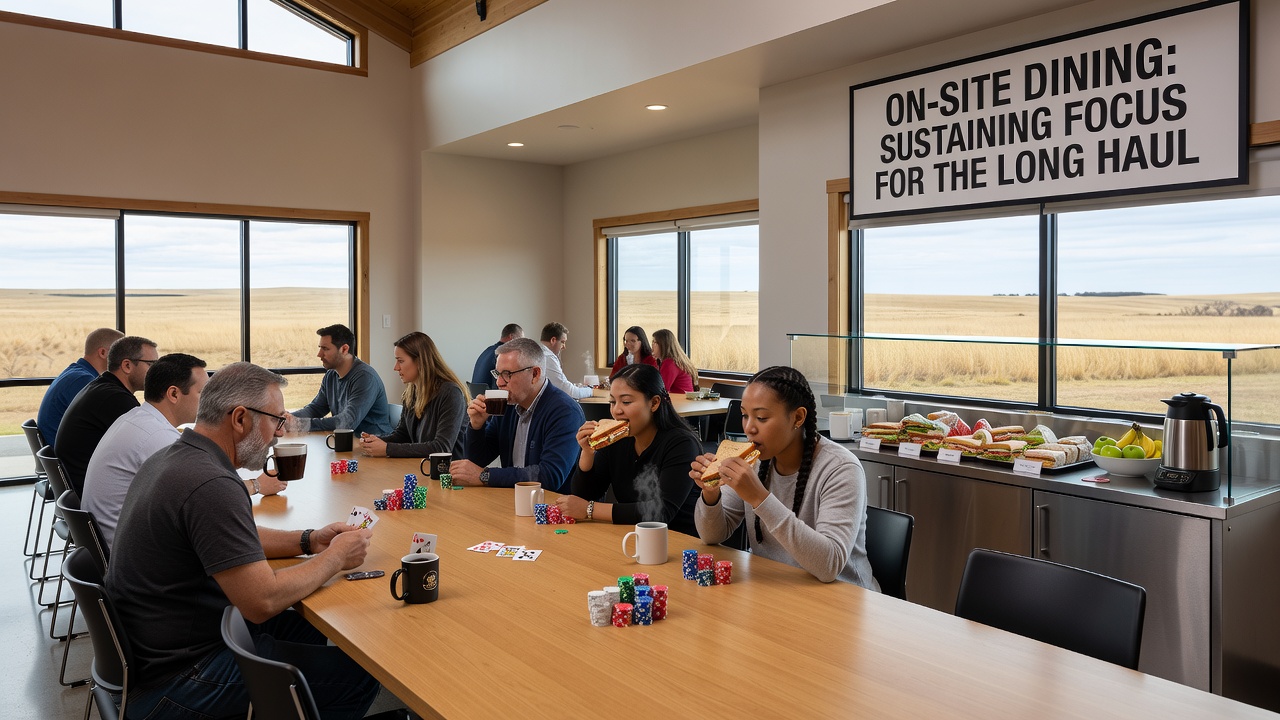
Accessibility also matters for players with dietary restrictions. Many prairie venues now list allergen information and offer gluten-free and vegetarian selections as standard, which aligns with broader hospitality guidelines issued by provincial health authorities. This standardization means participants no longer need to leave the property to locate suitable food, preserving both focus and schedule adherence.
Observed Patterns in Player Behavior
Observers tracking events in 2025 noted that tables with nearby dining stations experienced fewer voluntary absences during the middle stages of tournaments, when fatigue typically peaks. Players returned from short meal breaks with documented improvements in concentration metrics recorded by timing software used at some rooms. Those patterns suggest the physical proximity of food service influences not only nutrition intake but also the overall rhythm of play.
Industry reports from the Canadian Gaming Association further show that venues investing in on-site kitchens see higher repeat participation rates for multi-day marathons, though the data stop short of attributing causation solely to dining arrangements. Still, the correlation remains consistent across multiple prairie locations.
Integration With Tournament Scheduling
October 2026 calendars list several marquee events that begin midday and conclude near midnight, creating windows where structured meal services become essential. Organizers coordinate with kitchen teams to time hot food availability around anticipated breaks, ensuring options remain fresh rather than sitting under heat lamps for extended periods. This planning reduces waste while meeting player needs more precisely than earlier self-serve models.
Hydration stations placed alongside food counters encourage consistent fluid intake, a factor emphasized in cognitive performance literature from sources such as the Australian Institute of Sport. Electrolyte beverages and water dispensers positioned within arm's reach of the tournament area support the same sustained attention goals that balanced meals address.
Conclusion
On-site dining at prairie poker venues has evolved from simple snack availability to structured support that matches the duration and intensity of modern marathons. The combination of convenient access, nutritionally balanced choices, and coordinated timing helps participants maintain the cognitive resources required for extended decision-making sequences. As events continue through October 2026 and beyond, these facilities remain a practical component of tournament infrastructure rather than an optional amenity.